The Role of 5G Communication Chips in Advancing Smart City Infrastructure
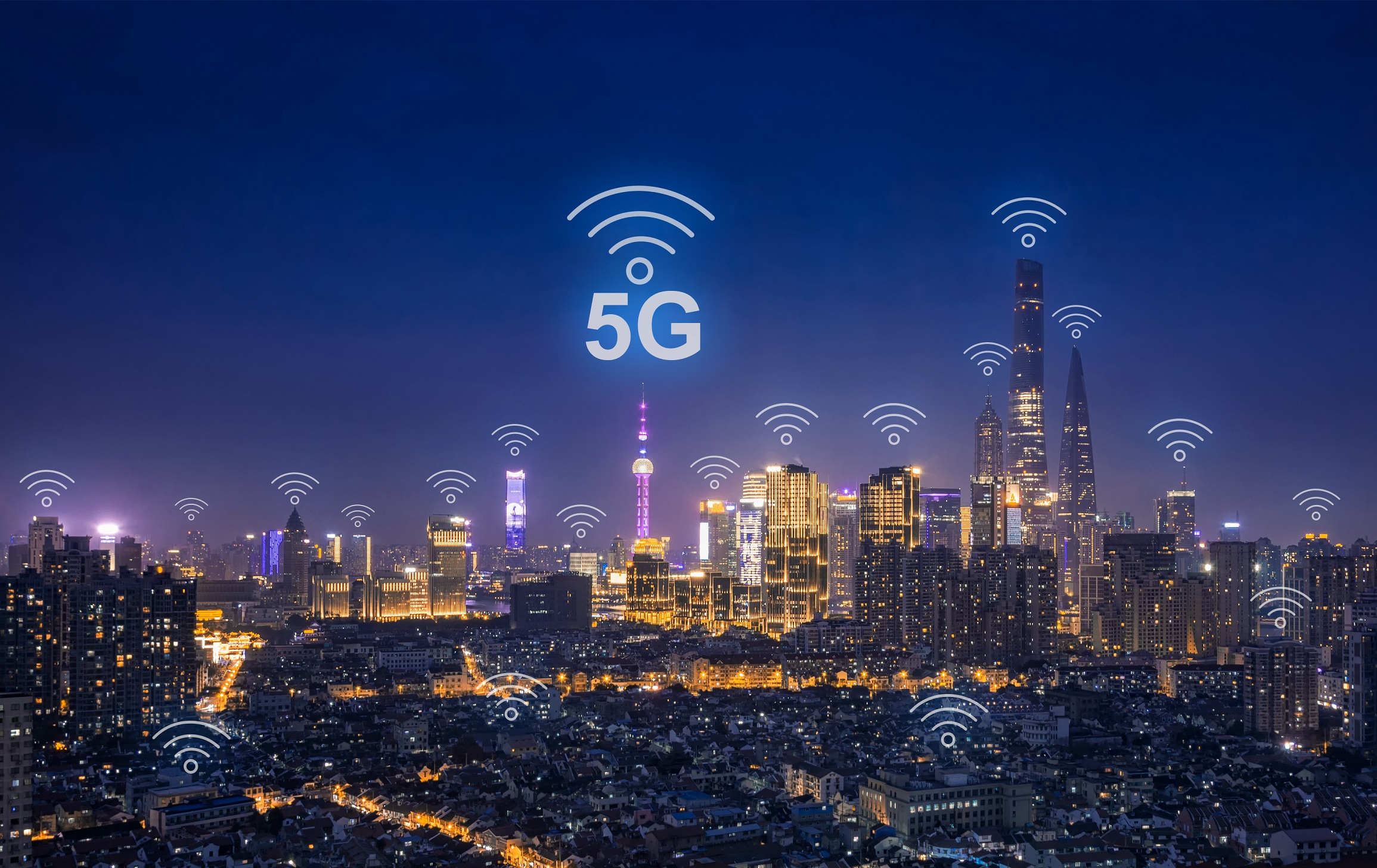
In the rapidly evolving landscape of urban development, smart cities are leveraging cutting-edge technologies to enhance efficiency, sustainability, and quality of life. At the heart of this transformation lies the deployment of 5G communication chips, which serve as critical enablers for high-speed, low-latency connectivity across diverse IoT devices and infrastructure systems.
Enabling Seamless Connectivity
5G communication chips are designed to support ultra-reliable, high-bandwidth connections essential for real-time data transmission. These semiconductor components integrate advanced modulation schemes, massive MIMO (Multiple Input Multiple Output) capabilities, and beamforming technologies to ensure robust performance even in densely populated urban environments. As a result, smart city applications such as autonomous vehicles, intelligent traffic management, and remote healthcare can operate with minimal latency and maximum reliability.
Powering IoT Ecosystems
Smart cities rely on vast networks of interconnected sensors, cameras, and actuators—collectively known as the Internet of Things (IoT). 5G communication chips facilitate this ecosystem by providing scalable, energy-efficient connectivity solutions. For instance, millimeter-wave (mmWave) enabled chips deliver multi-gigabit speeds ideal for high-definition surveillance and augmented reality services, while sub-6 GHz variants offer broader coverage suitable for environmental monitoring and utility management.
Supporting Edge Computing and AI Integration
"The synergy between 5G chips and edge computing is transforming how data is processed in real time, reducing reliance on distant cloud servers and enhancing decision-making speed."
By integrating with edge computing frameworks, 5G communication chips allow data to be processed closer to its source. This reduces bandwidth congestion and enables faster response times—critical for applications like emergency response systems and predictive maintenance in public utilities. Furthermore, these chips often incorporate AI accelerators that optimize network routing and resource allocation dynamically, improving overall system intelligence.
Challenges and Future Outlook
- Interoperability: Ensuring compatibility across legacy and next-generation devices remains a challenge.
- Security: Enhanced encryption protocols within 5G chips are vital to protect sensitive urban data.
- Energy Efficiency: Ongoing R&D focuses on developing low-power chip architectures to extend device lifespans.
As global investments in smart city projects continue to rise, the demand for next-generation 5G communication chips will only intensify. Innovations in chip design, such as integration with 6G research prototypes and quantum-safe security features, promise to further revolutionize urban living.