The Hidden Dangers of Spot Market Chips
The electronics industry relies heavily on semiconductor components, and the spot market—where chips are bought and sold quickly due to supply shortages—has become increasingly popular. However, this fast-paced environment introduces significant risks, particularly in the form of counterfeit or substandard integrated circuits (ICs). These unauthorized components can compromise product reliability, safety, and performance, leading to costly recalls and reputational damage.
Why Spot Market Chips Pose a Threat
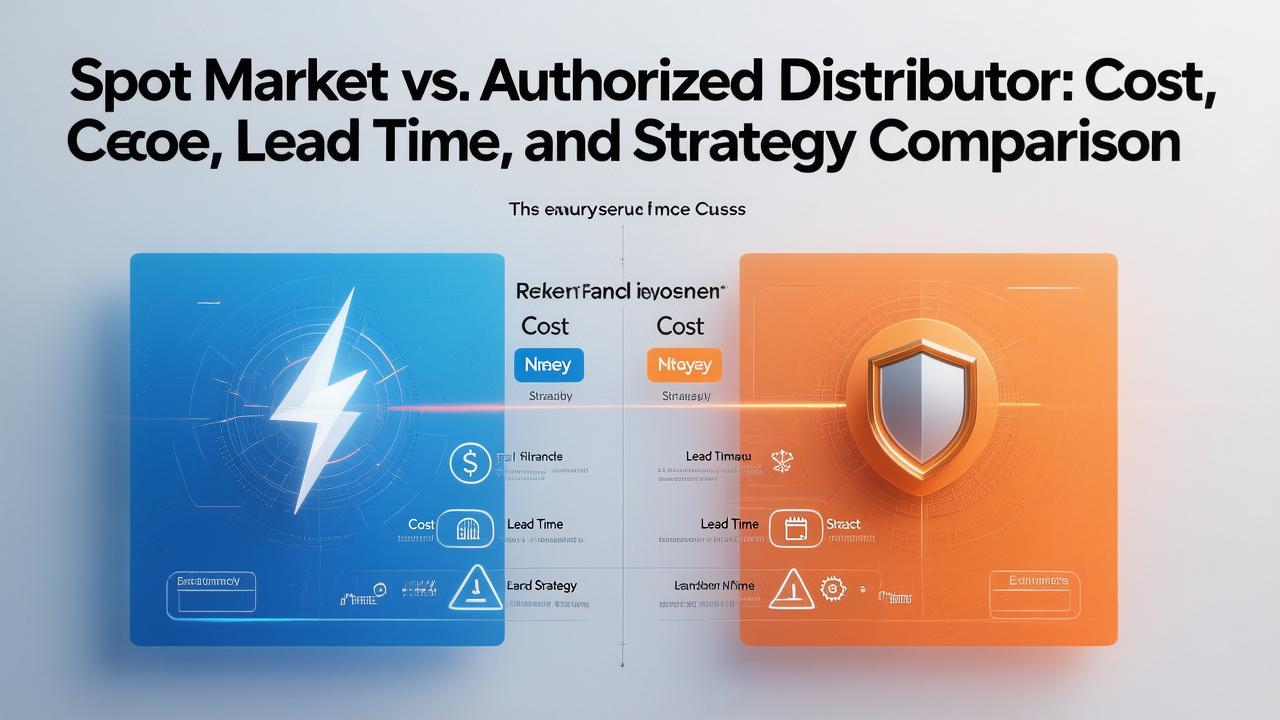
Spot market transactions often involve overstocked, salvaged, or even cloned ICs that lack proper traceability. Unlike authorized distributors who provide full documentation and quality assurance, spot market sellers may offer components at steep discounts without verifying authenticity. This makes it difficult for manufacturers to distinguish between genuine and counterfeit parts, especially when visual inspection is insufficient.
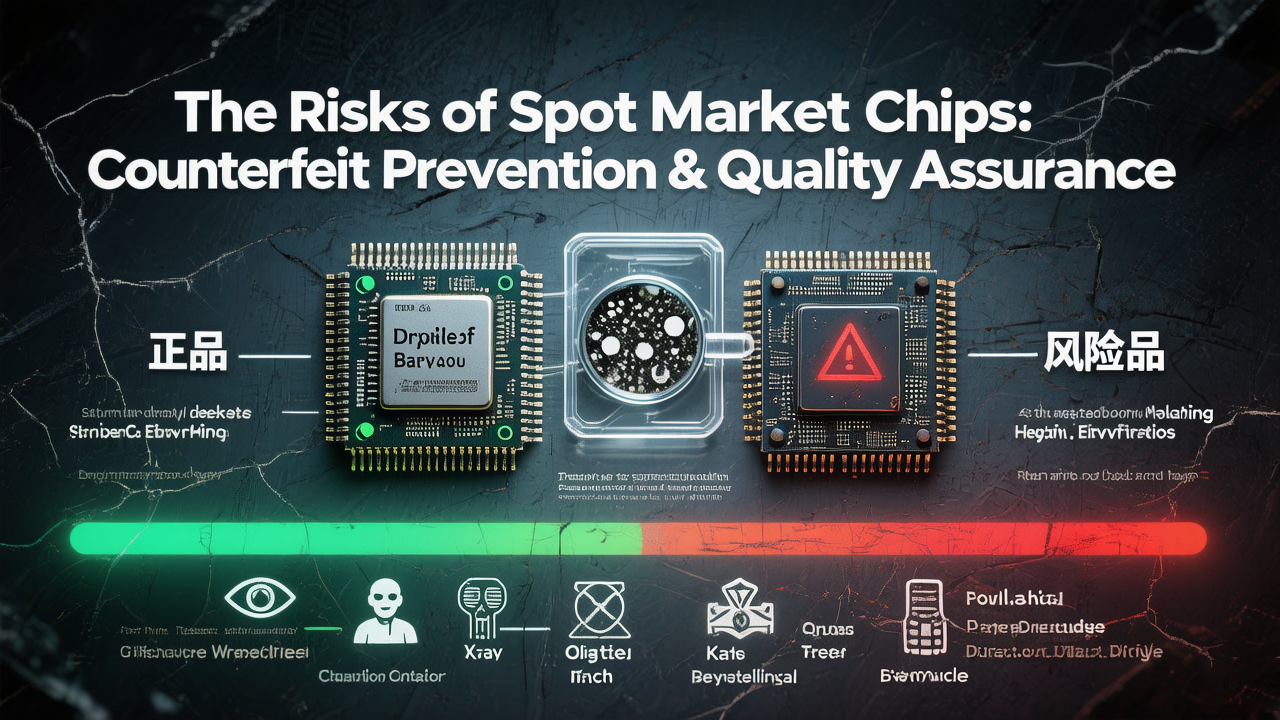
Common Signs of Counterfeit Chips
- Inconsistent packaging or labeling compared to manufacturer specifications
- Mismatched date codes or batch numbers
- Poor surface finish, incorrect markings, or spelling errors
- Unusual electrical characteristics or failure under stress testing
"Counterfeit semiconductors are not just a financial loss—they represent a systemic threat to product integrity and end-user safety," warns an industry analyst specializing in supply chain security.
Effective Strategies for Counterfeit Prevention
To mitigate these risks, companies must adopt a multi-layered approach to quality assurance:
- Source from Authorized Distributors: Partner with certified suppliers who adhere to strict anti-counterfeiting protocols and provide full chain-of-custody documentation.
- Implement Incoming Inspection: Use automated optical inspection (AOI), X-ray imaging, and electrical testing to verify component authenticity before integration into production.
- Leverage Traceability Tools: Utilize serialization, blockchain-based tracking, and digital component passports to monitor the lifecycle of each IC.
- Conduct Regular Audits: Perform internal and third-party audits of supply chains to identify vulnerabilities and ensure compliance with industry standards such as EIA-586 and J-STD-033.
The Role of Industry Standards and Certification
Adherence to recognized standards is critical in combating counterfeit components. Programs like the Counterfeit Avoidance and Mitigation Program (CAMP) under JEDEC and the Anti-Counterfeit Standard (ACS) by IPC help organizations establish best practices. Additionally, certifications such as ISO 9001 and AS6081 demonstrate a supplier’s commitment to quality and risk management.
Conclusion: Prioritizing Quality Over Cost
While spot market chips may offer short-term cost savings, the long-term consequences of using counterfeit or low-quality semiconductors far outweigh the initial benefits. By investing in robust verification processes, traceability systems, and trusted partnerships, electronics manufacturers can safeguard their products, protect brand reputation, and ensure compliance with regulatory requirements.