Introduction: The Challenge of Obsolete and Hard-to-Find Components
In today's fast-paced electronics industry, sourcing obsolete or hard-to-find components can be a significant hurdle for manufacturers, engineers, and procurement teams. As original equipment manufacturers (OEMs) discontinue legacy parts to make way for newer technologies, supply chain disruptions become inevitable. However, the spot market offers a viable solution for obtaining these critical components when traditional channels fail.
Understanding the Spot Market for Electronics Components
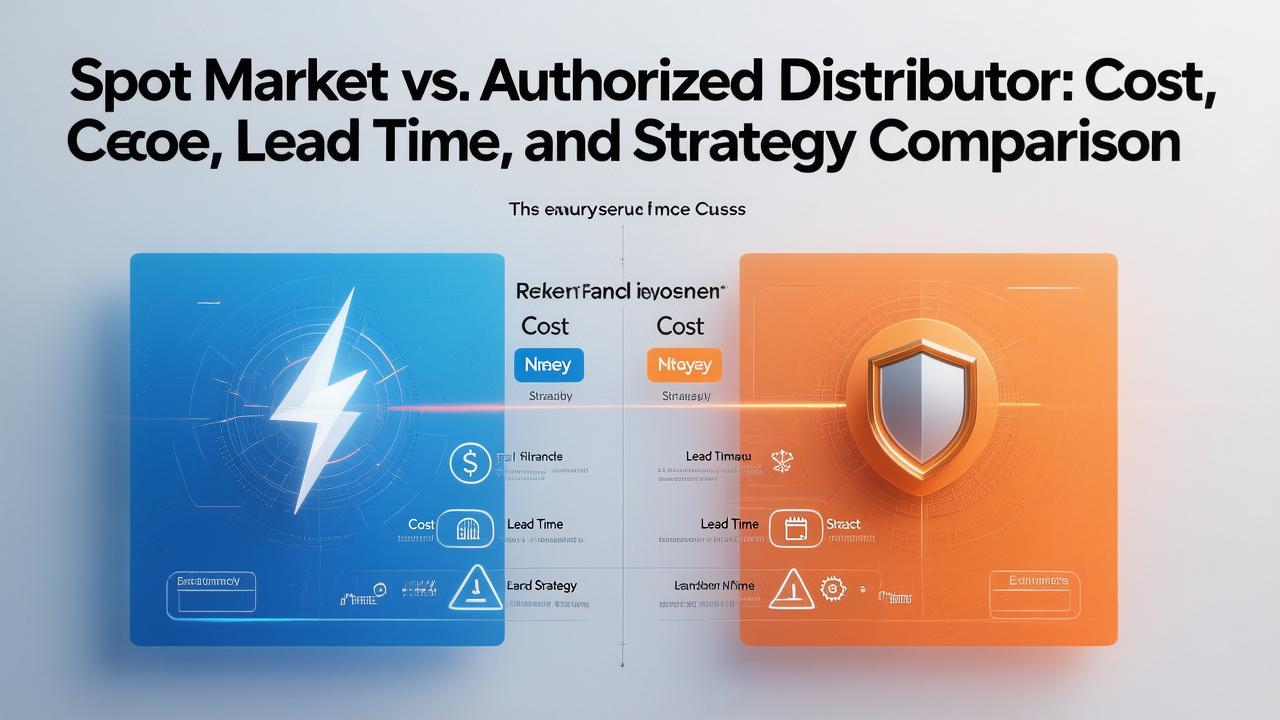
The spot market refers to the secondary marketplace where electronic components are bought and sold in real time, often outside of long-term contracts or manufacturer-direct distribution. This dynamic environment includes authorized distributors, brokers, online platforms, and auction sites. Unlike traditional procurement, the spot market provides immediate access to inventory that may no longer be available through official channels.
Key Players in the Spot Market
- Authorized Distributors: Some still maintain surplus stock of discontinued parts.
- Electronic Component Brokers: Specialize in locating rare or obsolete items.
- Online Marketplaces: Platforms like Octopart, FindChips, and eBay offer real-time listings.
- Surplus Suppliers: Companies that acquire excess inventory from factories or liquidations.
Strategies for Sourcing Obsolete Components
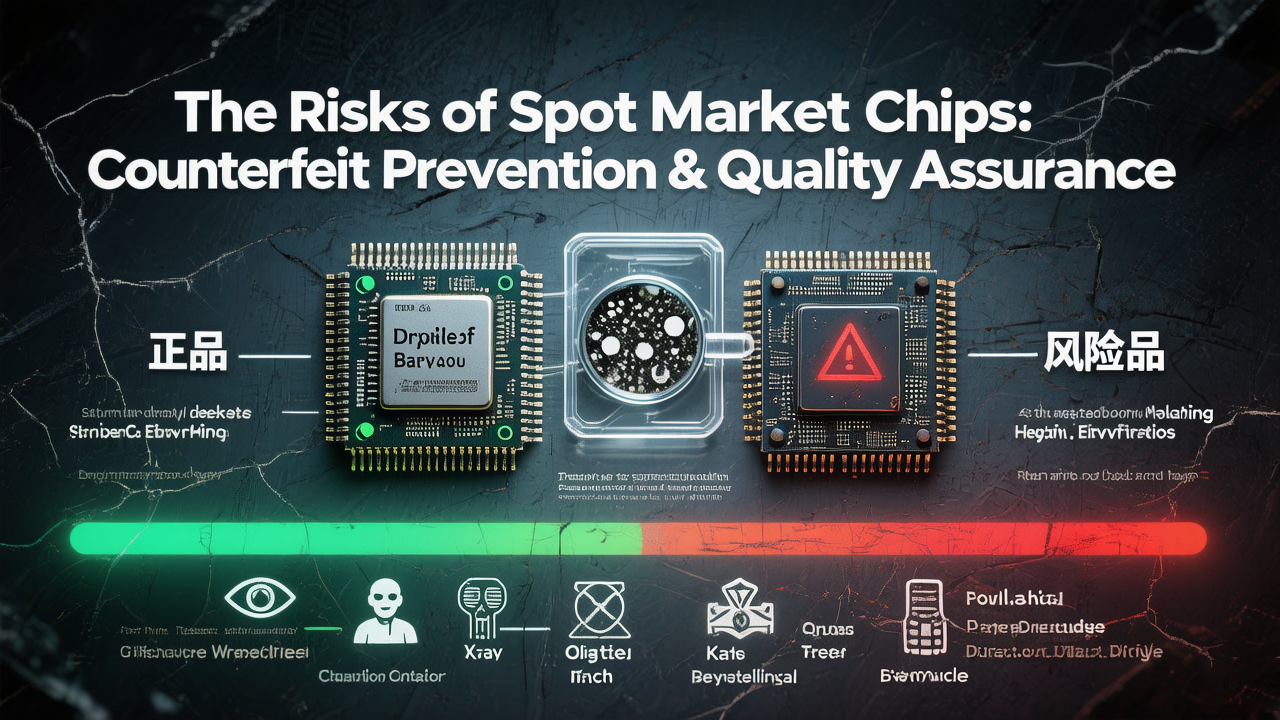
Successfully sourcing hard-to-find components requires a strategic approach. First, verify the authenticity and condition of the part using tools like counterfeit detection services. Next, leverage advanced search engines and databases that index global inventory. Building relationships with trusted brokers can also provide early access to limited stock.
"In the spot market, timing and trust are as important as price—knowing who to buy from can save months of development delays." – Industry Procurement Expert
Best Practices for Spot Market Purchasing
- Conduct thorough due diligence on suppliers to avoid counterfeit components.
- Use component lifecycle data to anticipate future shortages.
- Consider alternative parts with equivalent specifications if exact matches are unavailable.
- Maintain a buffer stock of critical obsolete components when possible.
Technological Tools to Enhance Sourcing Efficiency
Leveraging digital tools significantly improves success rates in the spot market. Real-time inventory tracking platforms, AI-powered matching algorithms, and blockchain-based verification systems help ensure transparency and accuracy. These technologies enable rapid identification of available stock across multiple vendors, reducing lead times and minimizing risk.
Conclusion: Navigating the Spot Market with Confidence
Sourcing obsolete and hard-to-find electronic components on the spot market is both an art and a science. By combining industry knowledge, technological tools, and strategic supplier relationships, businesses can overcome supply chain challenges and keep their projects on track. While risks exist, especially regarding authenticity, a disciplined and informed approach ensures reliable access to essential components even in a shrinking global supply ecosystem.