The Role of Edge Computing Chips in Advancing Industrial IoT
As industries increasingly adopt Internet of Things (IoT) technologies, the demand for real-time data processing and reduced latency has surged. Edge computing chips have emerged as a critical enabler of this transformation, allowing data to be processed closer to the source rather than relying solely on centralized cloud servers. This shift is particularly vital in industrial environments where milliseconds can determine operational efficiency, safety, and cost-effectiveness.
What Are Edge Computing Chips?
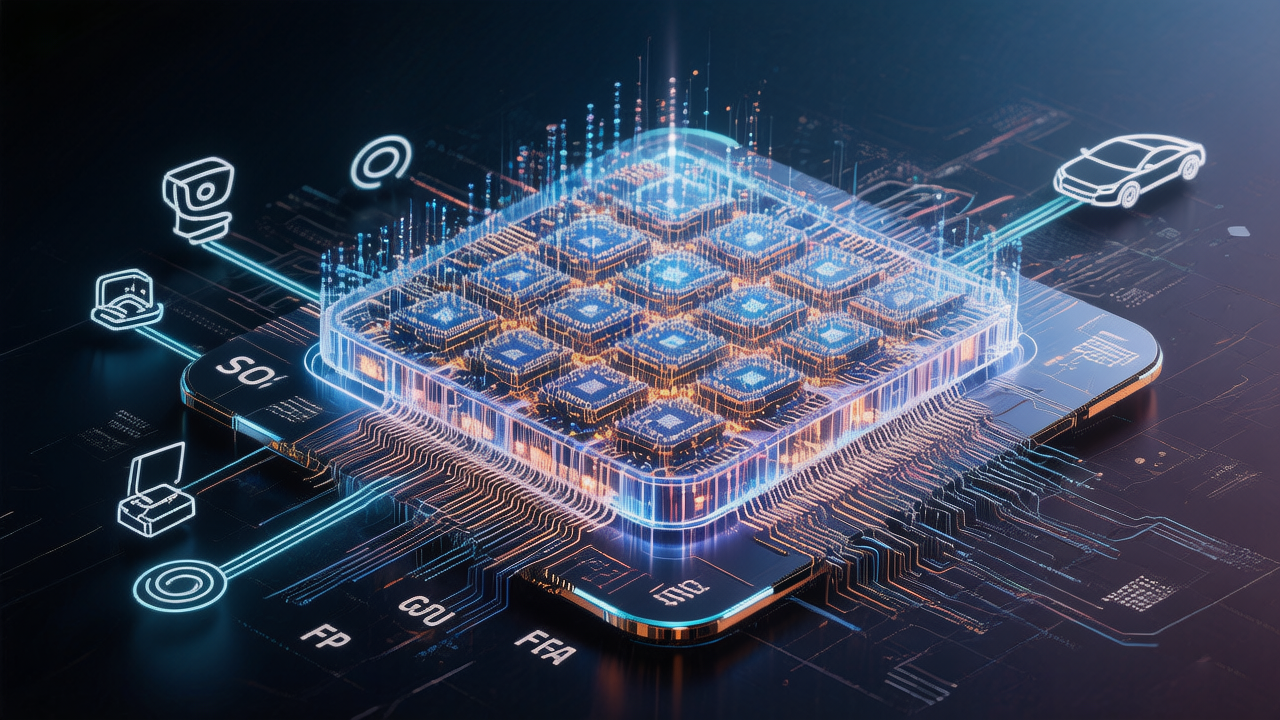
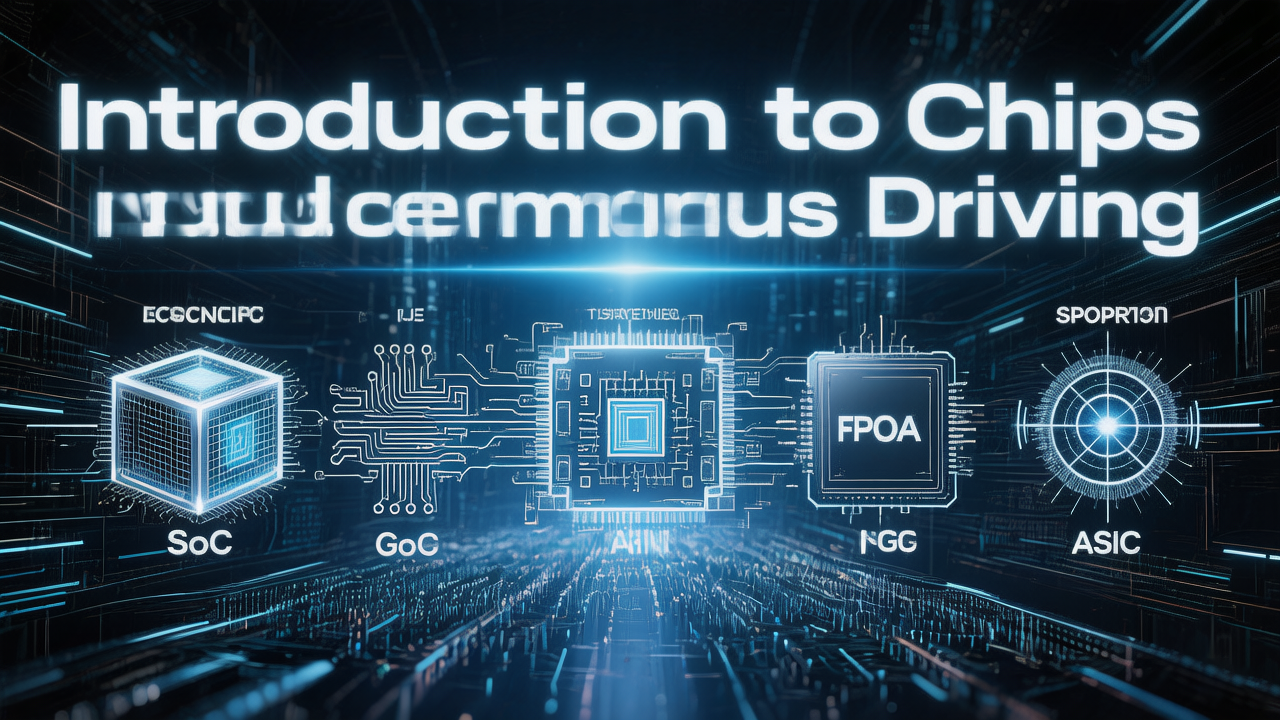
Edge computing chips are specialized semiconductor devices designed to perform data computation and decision-making at or near the edge of a network—typically within sensors, controllers, or local gateways. Unlike traditional processors that send raw data to the cloud for analysis, these chips integrate CPU, GPU, memory, and AI accelerators into compact form factors optimized for low power consumption and high performance. Examples include ARM-based SoCs, NVIDIA Jetson modules, and custom ASICs from companies like Intel, AMD, and Qualcomm.
Benefits in Industrial Applications
- Reduced Latency: By processing data locally, edge chips minimize transmission delays, enabling faster responses in time-sensitive applications such as robotic automation and predictive maintenance.
- Bandwidth Optimization: Only relevant data is transmitted to the cloud, reducing network congestion and associated costs.
- Enhanced Security: Sensitive industrial data remains on-premises, lowering exposure to cyber threats during transit.
- Reliability: Local processing ensures continuity even when connectivity to the cloud is disrupted.
Key Use Cases
Industrial IoT deployments leverage edge computing chips in diverse scenarios:
- Smart Manufacturing: Real-time monitoring of assembly lines using vision systems powered by edge AI chips for defect detection.
- Predictive Maintenance: Vibration, temperature, and acoustic sensors analyze equipment health without cloud dependency.
- Autonomous Systems: Drones and AGVs (Automated Guided Vehicles) use onboard edge processors for navigation and obstacle avoidance.
- Energy Management: Smart grids employ edge devices to balance load distribution based on localized consumption patterns.
"The future of industrial automation lies not just in connectivity, but in intelligent, autonomous decision-making at the edge—powered by purpose-built computing chips." — Industry Analyst Report, 2024
Challenges and Considerations
Despite their advantages, deploying edge computing chips in industrial settings requires careful planning. Factors such as thermal management, ruggedization for harsh environments, software compatibility, and long-term supply chain stability must be addressed. Additionally, balancing computational power with energy efficiency remains a key design challenge for embedded systems engineers.
Future Outlook
With advancements in AI-on-the-edge capabilities and 5G integration, edge computing chips will become even more sophisticated. Expect growth in domain-specific architectures tailored for machine learning inference, secure firmware updates, and interoperability across multi-vendor ecosystems. As Industry 4.0 evolves, these chips will serve as the backbone of decentralized, intelligent industrial networks.